
What Paint Finish Should You Use in Each Room
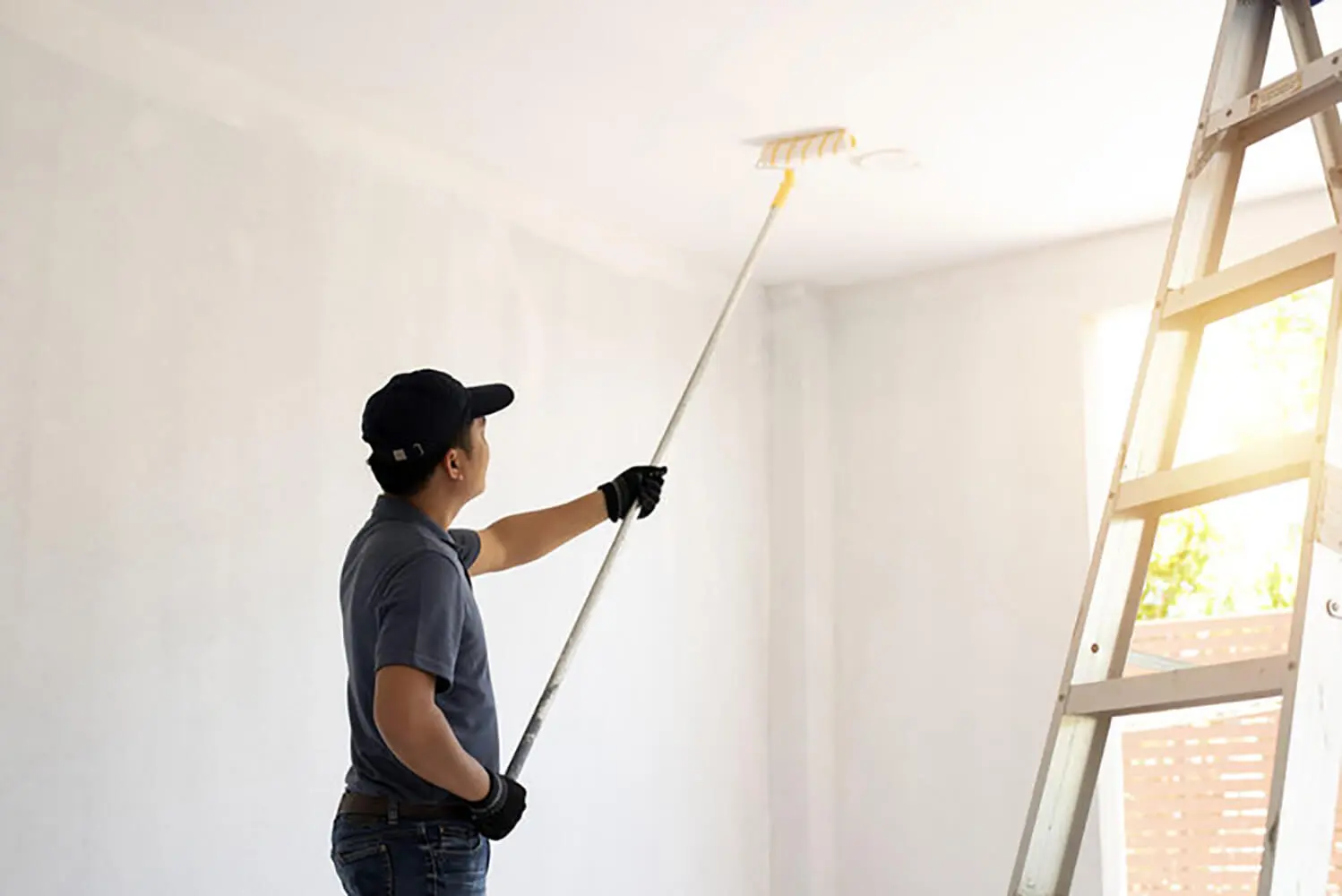
Most homeowners put real thought into color. They pull swatches, test samples on the wall, and spend time deciding between shades that look nearly identical in different light. Then their painter asks what finish they want, and the answer is usually a blank stare.
It is an easy thing to overlook. Finish does not show up in the color chips at the paint store, and it rarely comes up until someone asks. But the finish you choose determines how a paint job holds up over time — how it handles a scuff in the hallway, how it responds to steam in the bathroom, whether the walls in a busy kitchen are something you can actually wipe down. Pick the wrong finish in the wrong room and the paint job can look off, wear unevenly, or fail before it should.
Knowing what paint finish to use in each room is not complicated once the logic is clear. This blog walks through what finish means, what the main options are, and which one belongs where.
What Paint Finish Actually Means
Paint finish refers to the level of sheen in the dried paint — how much light the surface reflects once it cures. A flat finish absorbs light and shows no shine. A semi-gloss finish reflects it noticeably. Everything else falls somewhere in between.
Sheen level affects more than appearance. It determines:
- How durable the surface is under regular contact
- How easy it is to clean without damaging the paint
- How well it holds up in rooms with moisture or humidity
The general rule is simple. Higher sheen means more durability and washability. Lower sheen means a softer, more muted look that hides surface imperfections but is harder to clean. Understanding that tradeoff is what makes every room-by-room recommendation make sense.
The Four Finishes You’ll Encounter Most
Most interior paint lines offer several sheen levels, but four cover the vast majority of residential painting work.
Flat and Matte
Flat and matte finishes absorb light and leave no visible sheen on the surface. They are the least durable option but the most forgiving on imperfect walls because the non-reflective surface does not draw attention to flaws.
They work well on ceilings and in low-traffic spaces where the walls rarely get touched. They do not hold up in areas that need regular cleaning. Scuffs on a flat surface tend to be permanent, and wiping the wall often makes the mark worse rather than better.
Eggshell
Eggshell has a very slight sheen, similar to the subtle texture of an actual eggshell. It is more durable than flat but not noticeably shiny in most lighting conditions.
It sits at the right balance point for rooms that need a clean, soft appearance and occasional cleaning but do not face heavy daily use. Most living rooms and bedrooms fall into this category.
Satin
Satin has a smooth, gentle sheen that reflects more light than eggshell. It is noticeably more durable, easier to wipe down, and holds up better to regular contact.
It is the most versatile finish in residential painting. It works across a wide range of rooms and is often the default recommendation for active households where walls get touched, bumped, and cleaned on a regular basis.
Semi-Gloss
Semi-gloss has a clearly visible sheen that reflects light noticeably. It is the most durable and moisture-resistant of the four and the easiest to clean repeatedly without breaking down.
The tradeoff is that it is less forgiving on surfaces with imperfections. The sheen amplifies flaws in the wall, so surface preparation matters more when semi-gloss is going on. It belongs in kitchens, bathrooms, and on trim and doors.
Best Paint Finish for Bedrooms and Living Rooms
Bedrooms and living rooms are the lowest-demand spaces in most homes in terms of moisture and daily wear. Finish choice here is more about aesthetics and how the room feels than about durability.
Eggshell is the standard recommendation for both:
- Soft, clean appearance that works in most lighting conditions
- Hides minor wall imperfections without looking flat or chalky
- Holds up to occasional cleaning when needed
Flat or matte is a reasonable option in a bedroom where the walls are in good condition and the homeowner wants the most muted, gallery-like finish. The tradeoff is that flat walls are difficult to clean, so it works best in spaces that see minimal contact.
Satin is worth considering in a living room that sees heavier use — households with kids, pets, or frequent guests. The step up in durability is noticeable, and the sheen is subtle enough that it does not look out of place in a main living space.
Best Paint Finish for Hallways and High-Traffic Areas
Hallways and entryways take more abuse than almost any other surface in a home. Shoulders brush against walls, bags and backpacks make contact, and hands touch surfaces constantly throughout the day. Finish choice here is a durability decision first.
Satin is the standard recommendation:
- Durable enough to wipe down repeatedly without the surface degrading
- Holds up to regular contact without scuffing visibly
- Still looks intentional and clean rather than noticeably shiny
Eggshell is sometimes chosen in hallways for aesthetic reasons, but it will show wear faster and is harder to clean than satin. That tradeoff is worth understanding before deciding. A hallway painted in eggshell may start looking worn in areas of heavy contact well before the rest of the paint job does.
Semi-gloss is rarely the right choice for hallway walls, but it is the right choice for the trim and doors within those spaces.
Best Paint Finish for Kitchens and Bathrooms
Kitchens and bathrooms introduce two conditions that change the finish equation entirely: moisture and the regular need to clean the walls. In these rooms, finish is a functional decision, not an aesthetic one.
For kitchens, satin works well on most walls. It handles splatter, grease, and repeated cleaning without breaking down. In areas directly around the stove or sink where moisture and grease are most concentrated, semi-gloss is a better fit. The added durability is worth the extra sheen in those spots.
For bathrooms, the right finish depends on the bathroom:
- A powder room with good ventilation can use satin without issue
- A full bath with a shower, limited ventilation, or consistent humidity warrants semi-gloss
- Semi-gloss resists moisture penetration more effectively and cleans more easily when walls are exposed to steam regularly
Using flat or eggshell in a kitchen or bathroom is one of the most common reasons a paint job fails ahead of schedule. The finish breaks down under moisture and cleaning, and the walls start to look worn, stained, or patchy well before they should.
Best Paint Finish for Trim, Doors, and Ceilings
Trim, doors, and ceilings follow different logic than walls and are easy to overlook in the finish conversation.
For trim and doors, semi-gloss is the standard recommendation across almost every room in the house:
- Highlights the clean lines of trim work and creates natural contrast with the walls
- Holds up to contact and cleaning better than any other finish
- Looks intentional and crisp against eggshell or satin walls
For ceilings, flat or matte is the right choice in almost every case. Ceilings are rarely touched and almost never cleaned. A non-reflective finish does not draw the eye upward or amplify light in ways that make a room feel uncomfortable. Ceiling paint is typically its own product category for this reason.
The layered approach of flat ceiling, eggshell or satin walls, and semi-gloss trim is standard in residential painting because each surface is doing a different job. The contrast between them looks intentional because it is.
The Finish Decision Is Easier Than It Sounds
Once the variables are clear, finish choice follows a simple logic. Three questions answer the decision for almost every room:
- How much traffic does this surface see?
- Is moisture or humidity a factor?
- Does this surface need to be cleaned regularly?
Low traffic, no moisture, occasional cleaning: eggshell. Regular contact or cleaning: satin. Moisture, grease, or frequent wiping: semi-gloss. Ceilings and surfaces that are never touched: flat.
Homeowners do not need to arrive at a paint project with this already figured out. A professional painter will ask about how each room is used and make recommendations as part of the process. At Mario’s Painting, finish and color choices are part of every estimate conversation, so nothing gets decided without the homeowner understanding why.
If you are planning an interior repaint and want to talk through what your home needs, request a free quote and we will walk you through the whole thing from color to finish before a brush ever touches the wall. You can also review our interior painting services or read through our guide on how to prepare your home for a professional interior paint job to get a sense of what the process looks like from start to finish.