
Signs Your Deck Needs Staining or Refinishing
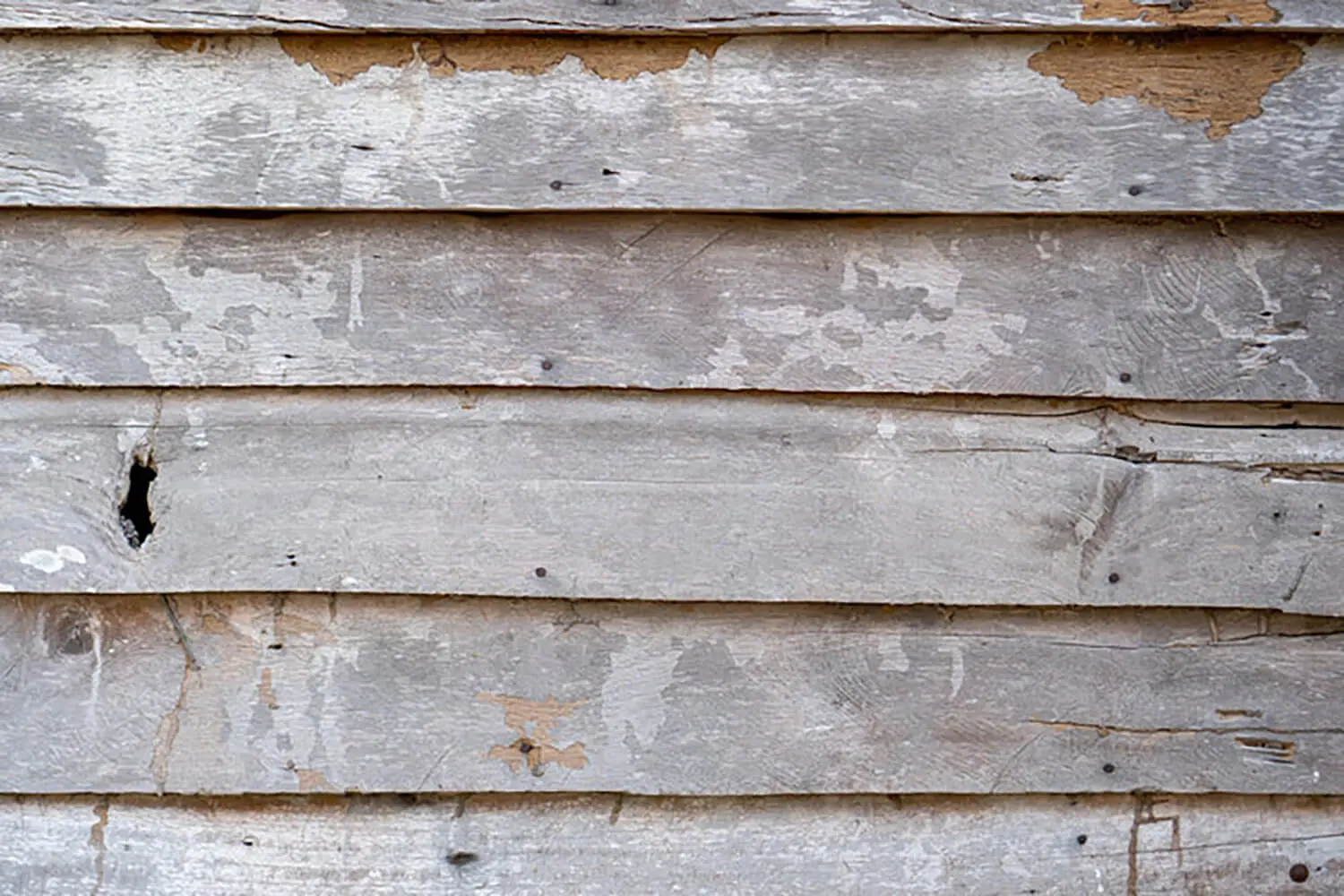
Most homeowners think about their deck when it starts to look bad. The color is gone, something is growing on the boards, or the surface feels rough underfoot. By the time a deck looks that worn, the stain has usually been failing for a while.
Deck stain is not a cosmetic finish. It is the barrier that keeps water, UV exposure, and mildew from working on the wood underneath. When that barrier breaks down, the wood starts absorbing what the stain was supposed to repel — and the damage builds quietly before it becomes visible.
Knowing the signs your deck needs staining or refinishing helps you catch the problem at the right stage. The warning signs in this blog fall into two categories: signs the stain has failed, and signs the wood is already being damaged. The category matters because it determines how urgent the situation is and how much work restoration will require.
Signs the Stain Has Failed
When the stain has failed but the wood underneath is still structurally sound, the situation is straightforward. Restaining at this stage does not require significant repair work first — it is the least expensive point of intervention. The longer these signs go unaddressed, the more likely the situation moves into the next category.
The Color Has Faded or the Wood Has Turned Gray
Fading is the earliest and most visible sign that a deck’s protective coating is breaking down. It shows up in two ways:
- The stain color has washed out significantly and the deck looks dull or bleached compared to how it looked when freshly stained
- The wood has taken on a silvery gray tone across some or all of the boards
The gray color is not just faded stain. It is weathered, oxidized wood — the result of UV exposure breaking down both the stain pigment and the wood’s natural surface fibers. Some homeowners leave a gray deck alone because the tone looks natural, but unprotected wood is what is producing that color.
A deck that looks faded is a deck that has started absorbing rather than repelling what the elements throw at it.
Water Is No Longer Beading on the Surface
This is the most reliable field test for whether a deck needs restaining, and it takes about thirty seconds. Pour or sprinkle water on the deck boards and watch what happens:
- If the water beads up and rolls off, the stain is still forming a water-repellent layer on the surface
- If it soaks in immediately and darkens the wood, the protective barrier is gone
A functioning stain prevents water from penetrating the wood directly. When that layer breaks down, water gets in — and repeated moisture exposure is what leads to swelling, cracking, mold growth, and long-term structural damage.
The important thing about this test is that the deck does not have to look bad to fail it. A deck that passes the eye test but absorbs water immediately is already losing its protection. Run this test on a dry deck that has not been recently rained on for the most accurate result.
The Stain Is Peeling or Flaking
Peeling stain is harder to miss than fading or failed water repellency. Signs to look for:
- Sections of stain lifting away from the wood surface in strips or sheets
- Flaking pieces on the deck surface or on the ground below
- Visible separation between the stain layer and the board underneath
Peeling typically happens when moisture has gotten beneath the stain layer and broken the bond, or when a solid stain was applied over wood that was not properly prepared. It is more common with solid and semi-solid stains than with transparent or semi-transparent ones.
The exposed areas where stain has lifted are fully unprotected wood. Water, sun, and mildew are working on those spots every time the deck gets wet or sits in the afternoon sun. Peeling also complicates the next staining job — the old stain typically has to be stripped before a new coat can be applied properly, which adds to the scope of the restoration work.
Signs the Wood Is Already Being Damaged
When moisture has been penetrating the surface long enough to affect the wood itself, the situation has moved beyond stain failure. These signs mean the protective barrier failed at some earlier point and damage has been building underneath. Restoration at this stage may require board repair or replacement before restaining is possible.
Mold or Mildew Is Growing on the Boards
Mold and mildew on deck boards show up as:
- Dark streaks running along the grain of the wood
- Black or green patches on the surface of the boards
- Fuzzy growth concentrated in shaded areas or between boards where moisture collects
A deck with functioning stain sheds water rather than holding it. When the stain has broken down, the boards stay damp long enough after rain for mold and mildew to take hold. The growth itself is a symptom of moisture penetration, not the root problem.
Cleaning the deck removes what is visible on the surface, but it does not restore the stain barrier. The mold will return in the same spots until the wood is protected again. In North Carolina’s humid summers, a deck without adequate stain can develop mildew growth quickly — particularly on north-facing boards or sections that stay shaded through most of the day.
The Wood Is Splintering, Cracking, or Has Soft Spots
These are the most serious warning signs on this list. Each one looks and feels different:
- Splintering creates rough, raised fibers on the board surface that catch on bare feet or clothing
- Cracking produces visible splits running along the grain of the wood
- Soft spots feel spongy or give slightly under pressure when you walk across the boards
All three are signs of wood that has been absorbing moisture and drying out repeatedly over time. The expansion and contraction cycle breaks down the wood fibers from within. Soft spots in particular indicate that moisture has been penetrating long enough to cause structural deterioration — not just surface damage.
When the wood has reached this stage, restaining alone is not the solution. Damaged boards typically need to be assessed and repaired or replaced before a new stain coat can go on. Catching earlier signs like fading, failed water repellency, or peeling stain is specifically what prevents the situation from reaching this point.
How North Carolina’s Climate Accelerates Deck Wear
A properly stained deck in average conditions typically needs restaining every two to three years, depending on the stain type, wood species, and how much direct sun the deck receives. In North Carolina, the conditions are rarely average.
Several factors specific to the region put more stress on deck stain than many other climates:
- Summer heat and UV exposure. Long, intense summers mean more cumulative UV exposure than milder climates. UV breaks down stain pigment and binders faster, accelerating fading and the loss of water repellency.
- Humidity. North Carolina’s humidity keeps deck boards damp for extended periods after rain. Sustained moisture accelerates mold growth and gives water more opportunity to penetrate boards where the stain has started to thin.
- Pollen season. Heavy pollen seasons across Johnston and Wake County coat deck surfaces with organic material that holds moisture against the wood for days at a time.
- Winter freeze-thaw cycles. Even in the Clayton area where winters are relatively mild, enough freezing and thawing occurs to stress stain adhesion over time through repeated expansion and contraction.
Homeowners in this area may see fading or failed water repellency in two years rather than three. That is not a sign of a poor stain job. It is what the climate demands from exterior coatings. Acting on early signs costs less than waiting for the wood to show the damage.
If You’re Seeing These Deck Staining Warning Signs, Here Is What to Do Next
The warning signs covered in this blog are not cosmetic inconveniences. They are signals that the wood is losing its protection, and the stage at which you act determines how much work restoration requires.
The progression matters:
- Fading and failed water repellency mean the stain is gone but the wood is intact — the least expensive point of intervention
- Peeling stain means preparation work is needed before a new coat can go on
- Mold growth and wood deterioration mean moisture has already been working on the wood — and repair may be needed before restaining is possible
A homeowner who spots one or more of these signs is in the right position to get an honest assessment of what the deck actually needs before the situation moves to the next stage.
If your deck is showing any of these signs, we’d encourage you to get a professional opinion before deciding whether to wait another season. At Mario’s Painting, we assess the condition of the deck and give you a clear picture of what it needs — no guesswork. A full exterior inspection often starts at the deck, and the same warning signs that apply to your siding apply here too. Request a free quote and we’ll walk you through exactly what we’re seeing and what it would take to restore and protect your deck the right way.