Is It Worth Painting Your Kitchen Cabinets Instead of Replacing Them?
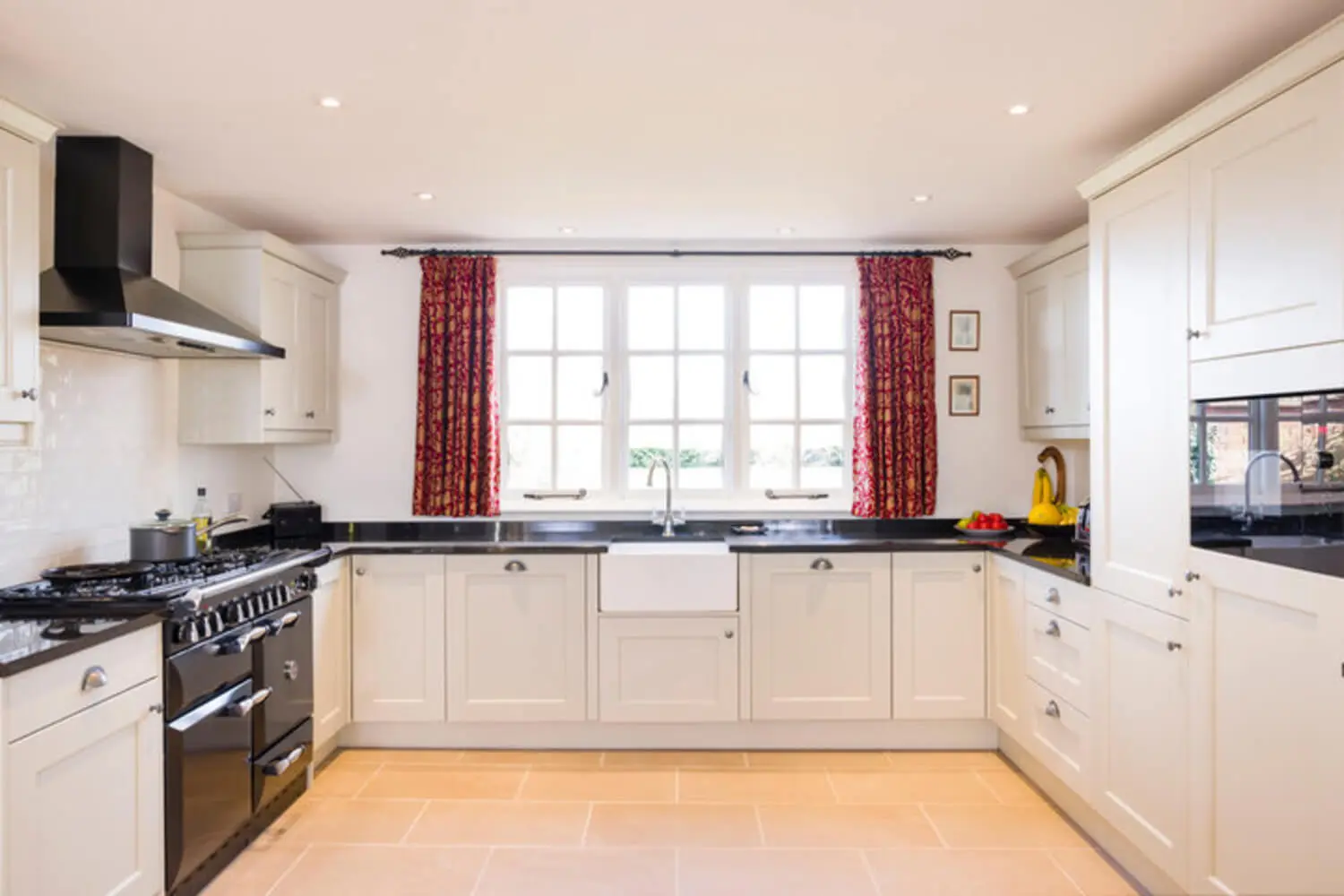
If you are unhappy with how your kitchen looks, cabinet painting probably crossed your mind. It costs less than replacement, and the results can be dramatic. But is it worth it for your specific cabinets? That depends on factors most homeowners have not thought to check yet.
The wrong call in either direction costs money. Paint cabinets that are not suitable candidates, and the finish fails. Replace cabinets that were perfectly paintable, and you spend significantly more than necessary. Knowing what makes cabinet painting worth it — and when it is not the right call — is how you make the decision with confidence.
This blog walks through the criteria that determine whether painting is the right path for your kitchen, starting with the most important one.
Painting Is Not Always the Shortcut — and Replacing Is Not Always the Upgrade
Most homeowners treat cabinet painting as the budget option and replacement as the premium one. That framing is incomplete.
Painting a kitchen with sound cabinets and a working layout can produce a dramatic transformation at a fraction of the cost of new cabinetry. On the other hand, replacing cabinets that a professional could have painted means spending significantly more for a result you did not need to pay for.
The reverse is also true. Paint cabinets that are structurally compromised or made from materials that do not hold a finish, and the paint job fails. Then you are looking at a second job that costs more than replacement would have from the start.
The right answer is not about which option costs less. It is about which option fits the specific cabinets and kitchen in front of you. The criteria below make that determination.
Start With the Cabinet Boxes
The cabinet boxes are the frame everything else hangs on. Doors, drawer fronts, and hardware can all change relatively easily. The boxes cannot. If the boxes are compromised, no finish holds up on top of them.
Before anything else, check for these three things:
- Water damage. Look for swelling, soft spots, or staining on the box interior and exterior. These are signs moisture has gotten into the material.
- Structural integrity. Check whether the boxes are still square and solid, or whether joints have separated, sides have bowed, or the material has deteriorated.
- Drawer and door function. Drawers should slide smoothly. Doors should hang correctly. If the box has shifted enough that hardware no longer operates properly, that is a structural problem paint will not solve.
A structurally sound cabinet box is the foundation a quality paint job builds on. A compromised box continues to deteriorate under the finish. Water damage deserves particular attention. Paint does not stop moisture from working on damaged wood. It covers the damage temporarily, and the finish fails as the material underneath keeps degrading.
Material Type Determines Whether Paint Will Hold
Once the boxes check out structurally, material type is the next factor. Not all cabinet materials accept paint the same way. Some bond well with proper prep and primer. Others present challenges that a professional finish cannot fully overcome.
Materials That Paint Well
- Solid wood. The strongest candidate for painting. Dense, stable, and holds primer and paint reliably. A professional finish on solid wood holds up well to daily use over time.
- Quality plywood. Also a strong candidate. Plywood is dimensionally stable and bonds well with primer. It expands and contracts less than solid wood, which helps the finish stay intact through humidity changes.
- MDF in good condition. MDF has a smooth, uniform surface that accepts paint evenly and produces a clean result. The critical qualifier is condition. MDF that moisture has reached — swollen or delaminated — does not qualify.
Solid wood and quality plywood show up most often in higher-end cabinetry. MDF is common in mid-range cabinets. Knowing what your cabinets are made from helps set the right expectations before work begins.
Materials That Do Not Paint Well
- Swollen or water-damaged particleboard. Particleboard absorbs moisture and swells when it does. Once swollen, the surface is no longer stable. It continues to move, and paint cracks and peels as the material shifts underneath.
- Peeling or lifting thermofoil. Thermofoil is a vinyl film applied over MDF. When intact, it is durable. When it begins to peel or lift — most often near heat sources like the stove — painting over it does not work. The edges keep lifting under the finish.
Thermofoil that is fully intact and not peeling can sometimes accept paint with the right primer and prep. A professional assessment is the only reliable way to know whether a thermofoil cabinet is a real candidate.
Whether the Layout Works Is a Separate Question
Painting updates how the cabinets look. It does not change what they are, how many there are, where they sit, or how much storage they provide.
If any of these describe your kitchen, painting will not solve them:
- Not enough storage for how your household uses the space
- A layout that puts the refrigerator, stove, and sink in positions that make cooking inefficient
- Cabinets that are too shallow, too tall, or poorly configured for your needs
- A desire for features the existing cabinets do not have — soft-close hardware, pull-out shelving, or built-in organization
If your dissatisfaction is primarily about how the kitchen looks, painting is likely the right call. If your dissatisfaction is about how it functions, painting improves the appearance but leaves the underlying frustration in place. That is worth knowing before you commit to either path.
The most honest question to ask yourself: is the problem cosmetic, functional, or both?
What a Professional Cabinet Paint Job Actually Delivers
The most common concern about cabinet painting is durability. It is a fair question. Cabinets take more daily abuse than walls, and a finish that chips or peels within a year or two is not a worthwhile investment.
The durability concern is largely a concern about DIY results. A professional cabinet finish looks and performs very differently from a weekend paint project. Here is what separates them:
- Cabinet-specific primers and paints. Wall paint stays softer after drying. Cabinet-grade coatings cure hard. That difference matters on a surface that gets opened, closed, and wiped down dozens of times a day.
- Proper surface prep. Cleaning, degreasing, and sanding before any product goes on. The same principles that determine whether any paint job lasts apply here — and shortcuts show up fast on cabinets.
- Spray application on doors and drawer fronts. Spray application produces a smoother, more uniform finish than brush or roller. It eliminates brush marks that show clearly on flat cabinet surfaces.
- Adequate cure time. Professional finishes need time to cure fully before cabinets return to regular use. Rushing that process affects how durable the finish ends up being.
Mario’s uses cabinet-specific primers and paints formulated to cure hard. That is what gives the finish the durability to hold up in a kitchen environment over the long term. If you want to understand what commonly goes wrong when this process gets skipped or rushed, our overview of the most frequent cabinet painting mistakes homeowners make covers the failure points in detail.
Painting Versus Replacing: What the Cost Difference Actually Means
Professionally painting kitchen cabinets costs significantly less than full replacement. The gap is large. In many kitchens, the savings from painting rather than replacing can fund other meaningful upgrades — new countertops, updated hardware, a backsplash, or new lighting.
The cost comparison is not just about what painting costs versus what replacement costs. It is about what you can do with the difference. A kitchen with freshly painted cabinets plus new countertops and hardware often looks more transformed than one with new cabinets alone.
This framing only applies when the cabinets are good candidates for painting. Painting unsuitable cabinets does not save money. It produces a result that fails and has to be redone.
What Makes Cabinet Painting Worth It — and When Replacement Makes More Sense
Here is the direct answer.
Painting is worth it when:
- The cabinet boxes are structurally sound with no water damage or significant deterioration
- The material is solid wood, quality plywood, or MDF in good condition
- You are satisfied with the kitchen layout and storage
- The goal is a cosmetic update — a fresh look, a color change, a more modern appearance
- You want to preserve budget for other kitchen upgrades
Replacement makes more sense when:
- The cabinet boxes show water damage, swelling, or structural failure
- The material is degraded particleboard or peeling thermofoil
- The layout does not function well and a reconfiguration is what you actually need
- The cabinets have deteriorated to the point where no finish holds up on top of them
- You want features the existing cabinets cannot provide
The most common scenario where painting is clearly worth it: a kitchen with solid, well-built cabinets in a layout that works, where the only thing holding the kitchen back is appearance. That describes a large proportion of kitchens in homes built in the last 20 to 30 years.
Not Sure Which Way to Go? Here Is How to Find Out
The decision comes down to three things: whether the boxes are structurally sound, whether the material accepts paint, and whether the layout works. When all three check out, painting is almost always the right call.
Most homeowners cannot assess all three of those factors with confidence on their own — particularly material type and the extent of any water damage. That is what a professional assessment is for.
At Mario’s Painting, we give homeowners an honest answer about whether their cabinets are good candidates before any work begins. If they are not, we say so. If you are weighing this decision and want a clear picture of what your cabinets actually need, request a free quote and we will walk you through exactly what we see. You can also review our cabinet painting services to get a sense of what the process looks like from start to finish.